
Hardly Second Class: When Analogue Outperforms
Piers Currie
Digital can sometimes protest its virtues too much. I’ve found corporate e-Christmas cards from offices can grate, especially when accompanied with a virtue line about saving forests. My suspicion is that the email is often easier to pump out, rarely read, there’s no real personal touch nor any genuine concern.
Innately, digital costs seem “free” at the point of dispatch whereas analogue carries front-end postal and print costs at the sharp end. The Direct Marketing Association (DMA) has found however that direct mail outperforms e-mail in terms of the cost of response and customer acquisition.
Investors also have preferences as to when they want to receive physical mail and when they prefer email. Such insights can get ignored. While email scores highly for confirmation, follow-up messages and fast news, direct mail by post is preferred by consumers as the way to receive brochures, welcome packs, bills and statements. If mail is thus seen as formal, considered, official and reliable, its younger digital sibling is seen as quick, spontaneous, informal and smart.
Both matter but in different ways. So in turn, the right medium should align with the right part of the investor journey and the nature of the communication. One might argue, on top, that since investment and personal wealth is a very serious part of our lives, formality matters more in the investment industry than in other fields.
Meanwhile the DMA reveals we’re probably remembering less, maybe because we don’t need to; “the average lifespan of an email is now just 2 seconds and brand recall directly after seeing a digital ad is just 44%, compared to direct mail which has a brand recall of 75%.”
In a well-expressed paper on print power by branding consultant and author Martin Lindstrom, he explains that digital KPIs can disregard the effectiveness of sensory encounters, mainly because they are harder to measure. Lindstrom believes that print, as a multi-sensory powerhouse, can be 100% more effective in sending a message than single-sense media, like email. This seems especially significant in investment, where the product itself is not physical, rarely “consumed” and involves decades of delayed gratification.
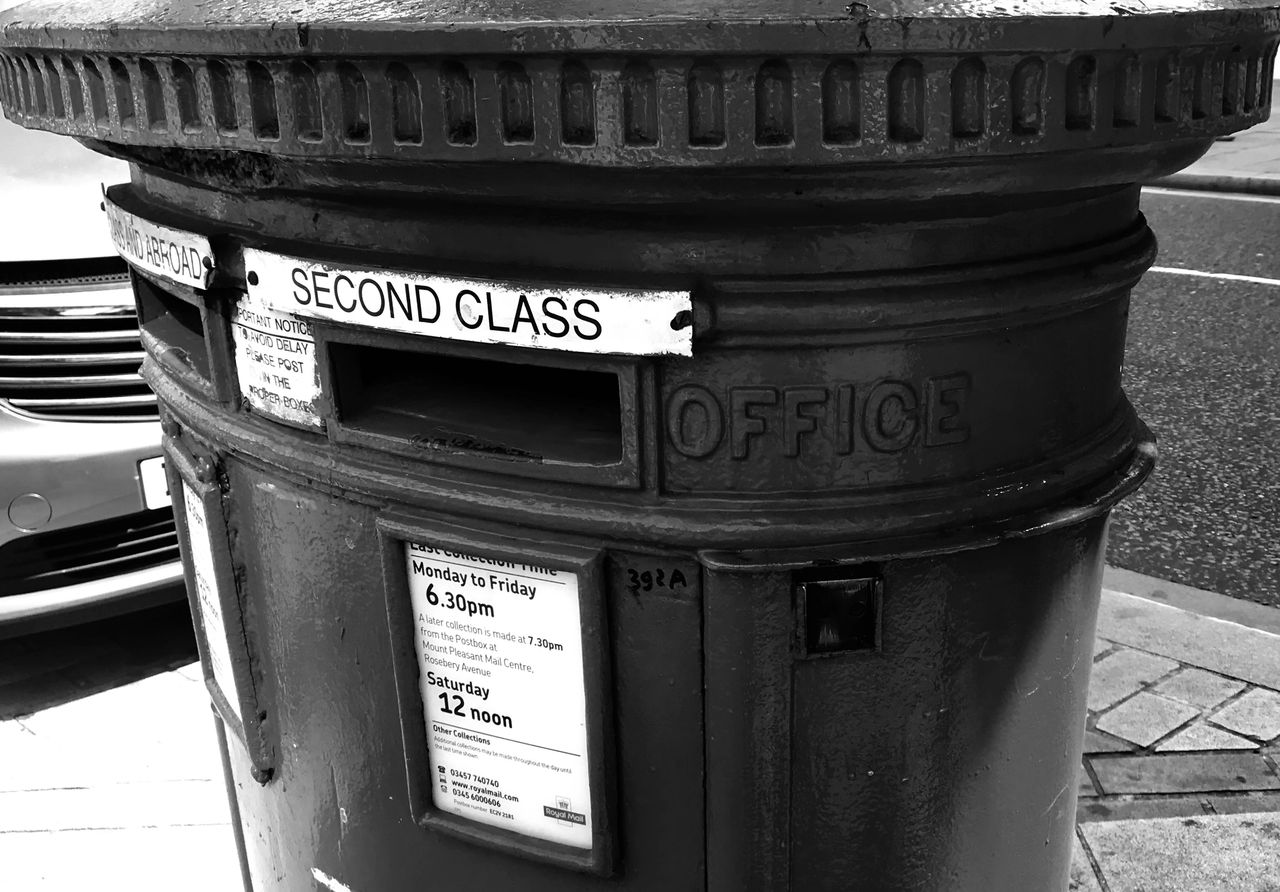
I quite like that print and mail may yet have a renaissance. People remember physical post now, at work and at home. If the cost of a stamp is the only metric of success, then clearly it is a more expensive approach than email. But if the recipient’s actions, recall and response the right measures of success, the outcome can tilt strongly in analogue’s favour, especially for formal communications. It becomes then just a challenge to define the metrics better and optimise the allocation mix of activities, online and off, in the overall plan.